 English
 中文简体
中文简体 русский
 日本語
日本語
Home / Newsroom / Industry News / Cylinder Turning and Milling Machine Guide: How Combined Machining Boosts Shop Efficiency
Industry News
 Email: cnc88max@dingtalk.com
 Phone: +86-18021988367
Content
A cylinder turning and milling machine, often referred to as a turn-mill center, combines the rotational cutting capability of a lathe with the multi-axis milling capability of a machining center into a single integrated machine. This allows a cylindrical workpiece to be turned to shape while also having flats, slots, holes, and complex contours milled into it, all without removing the part from the machine or transferring it to a separate piece of equipment. Traditionally, producing a complex cylindrical part required moving the workpiece between a lathe for turning operations and a milling machine for secondary features, a process that introduces setup time, potential alignment errors, and additional handling risk. A combined cylinder turning and milling machine eliminates these extra steps by performing both operations in one setup, significantly improving accuracy and reducing total production time.
This type of machine has become especially valuable in industries that manufacture complex cylindrical components, such as automotive drivetrain parts, aerospace fittings, hydraulic cylinders, and precision shafts, where tight tolerances and complex geometries make single-setup machining a major advantage.
Understanding how these two machining processes integrate on a single platform helps explain why turn-mill machines have become so valuable for complex part production.
The main spindle rotates the cylindrical workpiece against a stationary or moving cutting tool, removing material to create the basic round profile, tapers, threads, and grooves that define the part's overall shape, just as a conventional lathe would.
Once the turning operations are complete, or in some cases simultaneously, the machine engages live tooling, which are rotating tools mounted on the turret or a separate milling head, to perform drilling, slotting, or contour milling operations directly on the same workpiece without repositioning it.
Advanced cylinder turning and milling machines use multiple controlled axes, often five or more, allowing the cutting tool to approach the workpiece from various angles and enabling complex features like angled holes or curved milled surfaces to be machined accurately in a single setup.
Shops that invest in a combined cylinder turning and milling machine typically see measurable improvements across several areas of production.
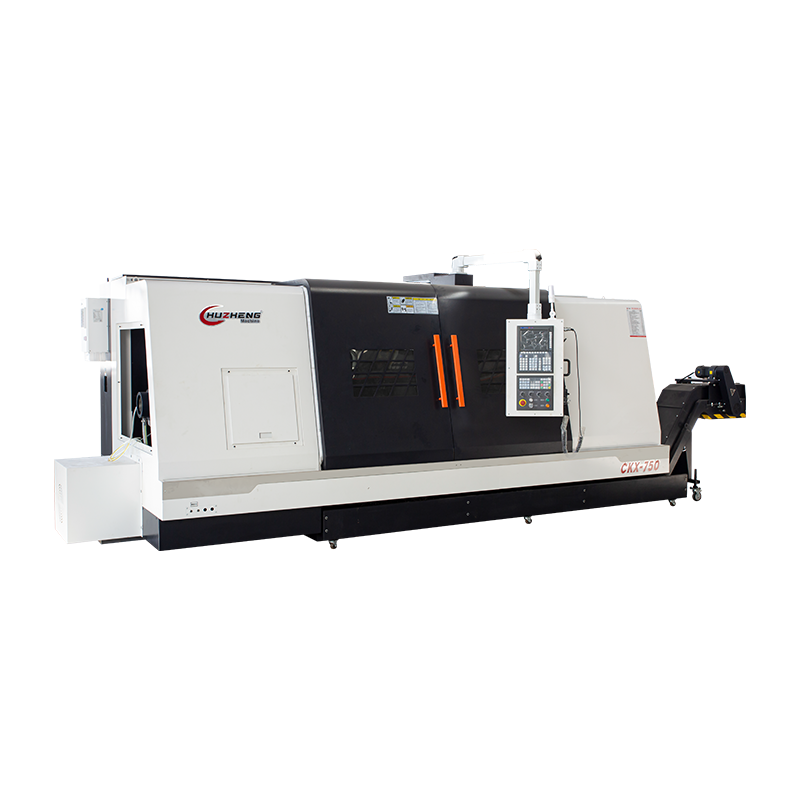
The table below highlights the practical differences between using a combined cylinder turning and milling machine versus running turning and milling as two separate processes.
| Factor | Combined Turn-Mill Machine | Separate Lathe and Mill |
| Setup Time per Part | Single setup | Multiple setups required |
| Dimensional Accuracy | Higher, consistent reference point | Lower, risk of alignment drift |
| Equipment Investment | Higher upfront cost | Lower per-machine cost |
| Floor Space Needed | Lower, one machine footprint | Higher, two separate machines |
Selecting the right turn-mill machine depends on the complexity of parts being produced and the production volume required. Several specific features can significantly influence machine performance and versatility.
Adequate spindle power and a wide speed range allow the machine to handle both heavy roughing cuts during turning and precise, higher-speed milling operations without sacrificing performance in either process.
The number and type of live tooling positions available on the turret determines how many different milling and drilling operations can be performed without manual tool changes, directly impacting overall cycle time.
A capable CNC control system with intuitive programming software is essential for managing the complex toolpaths required in combined turning and milling operations, and can significantly reduce programming time for complex parts.
Cylinder turning and milling machines are widely used across industries that require precision cylindrical parts with additional machined features. Automotive manufacturers rely on these machines to produce complex shafts, gears, and drivetrain components that require both round profiles and milled keyways or flats. Aerospace manufacturers use turn-mill centers to produce lightweight structural fittings and precision fasteners that demand tight tolerances across multiple features. Hydraulic and pneumatic component manufacturers also depend heavily on this equipment to produce cylinders, valve bodies, and fittings that combine round bores with milled ports and mounting features in a single machining operation.
Because a cylinder turning and milling machine combines multiple complex systems, regular maintenance is essential to keep it running accurately over time. Spindle bearings and live tooling components should be inspected and lubricated according to manufacturer schedules, since these high-precision parts are subject to significant mechanical stress during combined operations. Way surfaces and linear guides need regular cleaning and lubrication to maintain positioning accuracy across all machine axes. Tool holders and turret indexing mechanisms should also be checked periodically, as wear in these components can introduce small positioning errors that compound across complex multi-feature parts.
A cylinder turning and milling machine offers significant advantages for shops producing complex cylindrical parts, combining the strengths of traditional turning and milling processes into a single, highly accurate production platform. By understanding how combined turn-mill operations work, evaluating key machine features like spindle power and live tooling capacity, and weighing the investment against the efficiency gains of single-setup machining, manufacturers can make a more informed equipment decision. With proper maintenance and skilled programming, a well-chosen turn-mill machine can dramatically improve both part quality and production throughput for years to come.

Copyright © Xuancheng Huzheng Machinery Trading Co., Ltd. Rights Reserved.