-
 Email: cnc88max@dingtalk.com
-
 Phone: +86-18021988367

 English
 中文简体
中文简体 русский
 日本語
日本語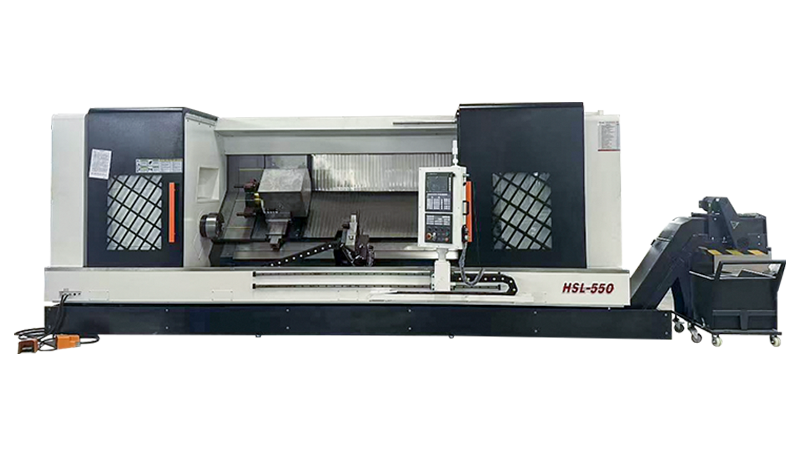
Product
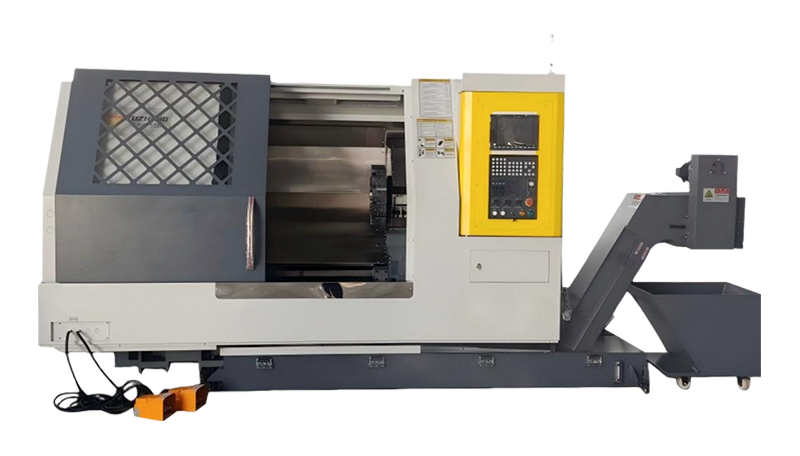
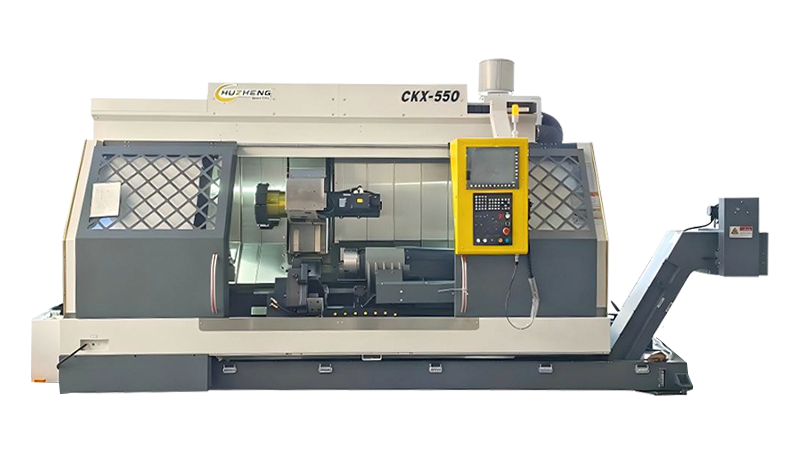
HSL Series - Heavy-Duty Dual-Spindle Turning and Milling Machine


- DESCRIPTION
- TECHNICAL PARAMETERS
- CONTACT US
ABOUT US
Dedicated Exclusively to Perfecting Turning-Milling Technology
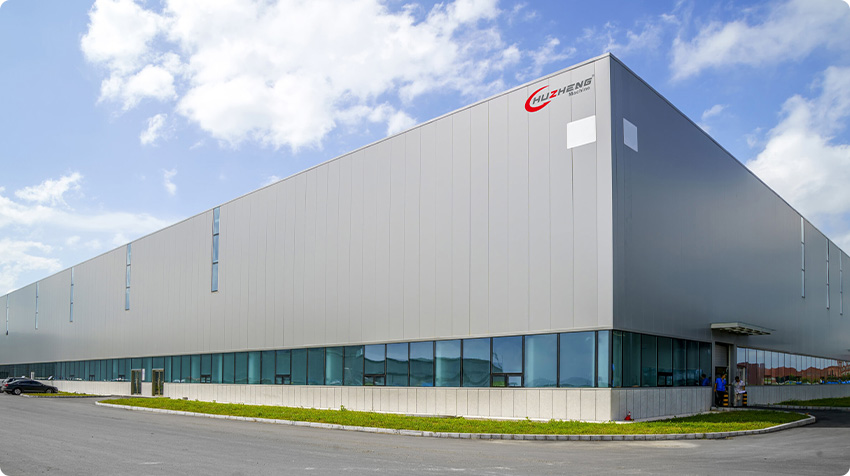
Xuancheng Huzheng Machinery Trading Co., Ltd., established in 2015, operates as an integrated manufacturing and trading enterprise, handling everything from R&D and production to sales and service. Heavy-Duty Cutting CNC Machine Tool Manufacturers and Heavy-Duty Dual-Spindle Turning and Milling Machine Factory in China. Equipped with advanced machining facilities such as CNC gantry machining centers, surface grinders, and guideway grinders, we maintain strict quality control throughout the entire production processāfrom casting and assembly to finished machine sales and after-sales support. Our machine tools are widely recognized for their innovative design, reliable performance, high precision, excellent cost-effectiveness, and comprehensive service.
 View More
-
0
 Establish In
-
0+
 Building Area
-
0+
 Employees
-
0+
 Export Country

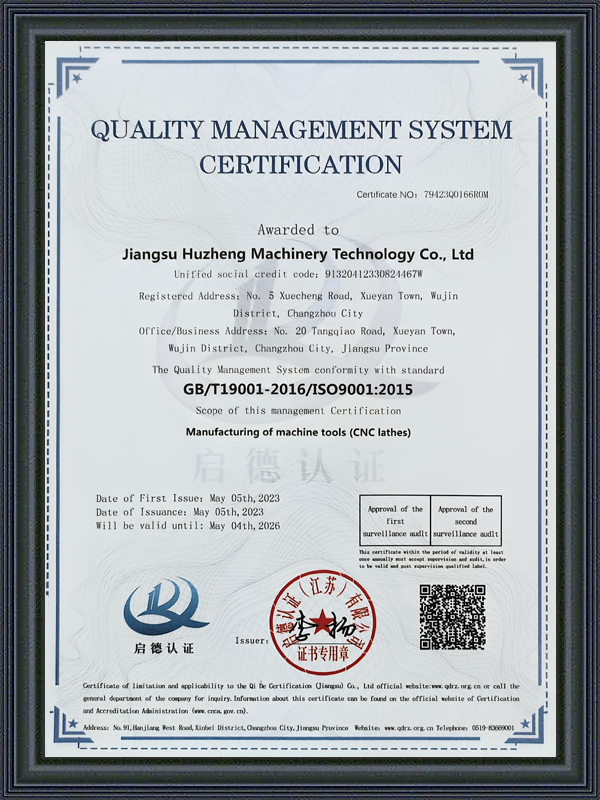
HONORARY CERTIFICATION
CERTIFICATE
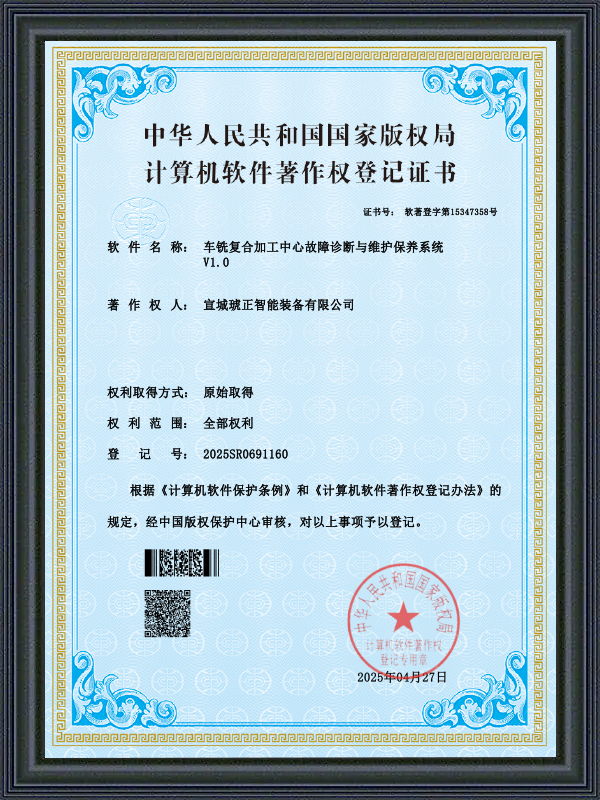
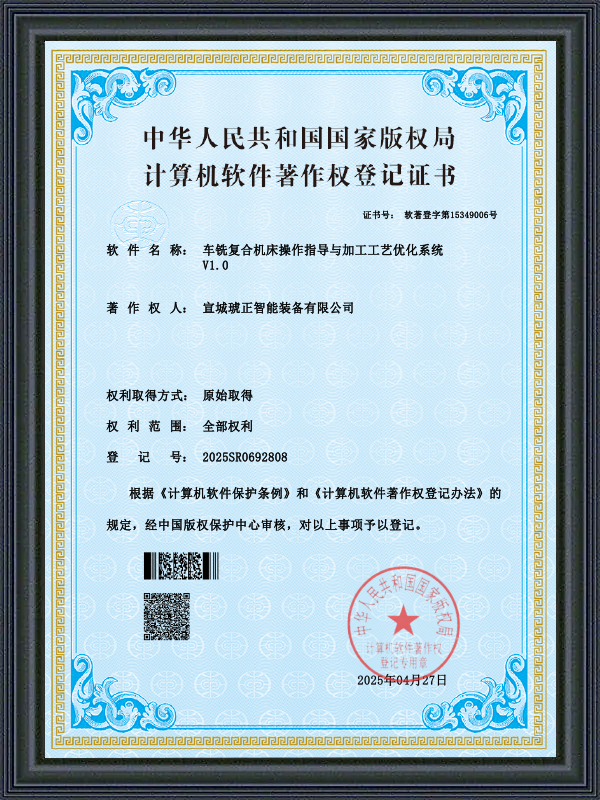
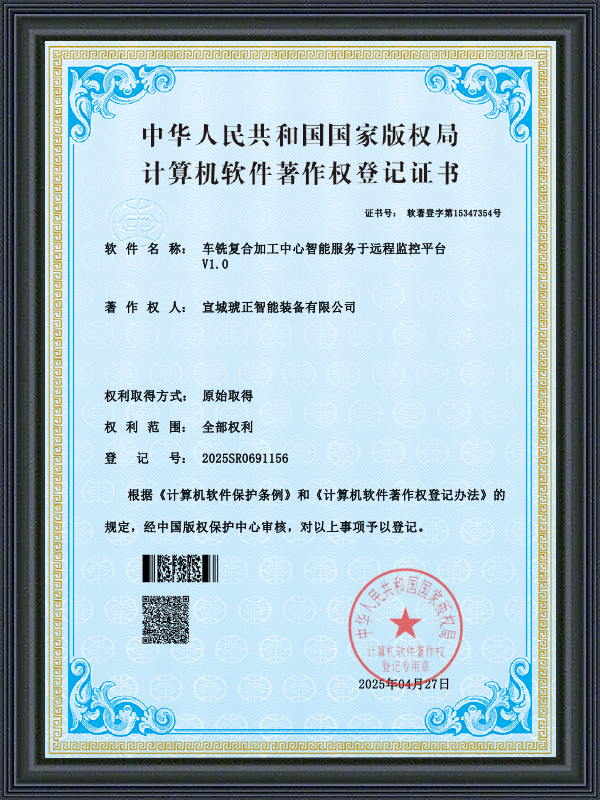
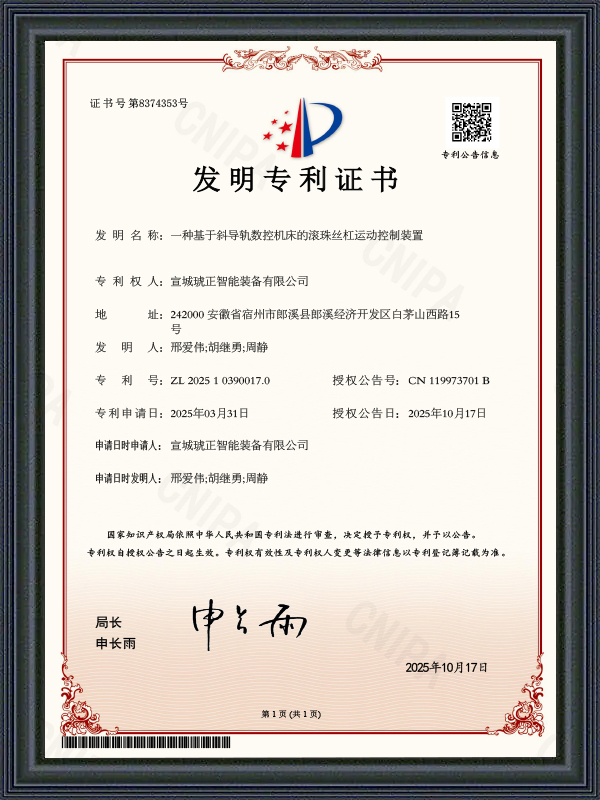

Pay Attention to Our Latest News and Exhibitions
View All News
News & Insights
View All News
-
 Industry News
 -
Industry News
-
Industry News
-
Industry News
INDUSTRY KNOWLEDGE
What “Heavy-Duty” Really Means in CNC Cutting
In real workshops, “heavy-duty” is less about brochure weight and more about whether the machine can hold geometry when you push chip load. A practical rule: rigidity shows up as stable spindle load, consistent surface finish, and repeatable dimensions under the same cutting parameters. If your parts start drifting after a few hours, the limiting factor is usually structure, guideway support, or thermal behavior—not the toolpath.
Rigidity indicators buyers can verify
- Cut the same feature at the beginning and end of a shift; compare size drift (thermal + structure).
- Listen for chatter onset when feed increases—early chatter often indicates weak loop stiffness.
- Check axis reversal marks on straight walls—backlash/servo tuning and guideway preloads appear here.
- Measure flatness after heavy surfacing; structural recovery matters as much as spindle power.
From our side, we keep quality control tight from casting to assembly because the “heavy-duty” promise is only real when the whole stiffness chain is consistent.
Spindle Power vs Torque: Where Cutting Capacity Comes From
Many buyers compare only peak kW of Heavy-Duty Cutting CNC Machine Tool, but heavy cutting depends on torque at the RPM you actually use. Roughing steel at low-to-mid RPM needs torque; high-speed finishing needs power and balance. If you run big face mills or deep slots, ask for the torque curve or at least the rated torque band.
Quick matching guidance
| Typical operation | What matters most | What to ask the supplier |
|---|---|---|
| Steel roughing (face/shoulder milling) | Torque in working RPM | Torque curve / continuous torque |
| Aluminum high-feed finishing | Power + balance | Max RPM, vibration grade, runout spec |
| Deep slotting / heavy DOC | Thermal stability + torque | Spindle cooling method, warm-up behavior |
Guideways & Grinding: Why “Smooth Motion” Impacts Accuracy
Cutting stability depends on motion quality. Even with good servos, guideway straightness, preload consistency, and contact geometry influence vibration and contour error. That’s why facilities like surface grinders and guideway grinders matter: they allow tighter control of the sliding/rolling interface where accuracy actually lives.
Common symptoms and what they usually indicate
- Wavy finish on flats: resonance + uneven friction or insufficient damping.
- Corner bulges in contouring: acceleration limits, servo following error, or stick-slip.
- Size variation between axes: guideway geometry mismatch or ballscrew alignment issues.
- Periodic marks: ballscrew pitch error, encoder resolution effects, or mechanical runout.
In our production line, we keep grinding and assembly in the same quality loop so motion smoothness stays consistent from one machine to the next.
Turning-Milling Composite: Where the Real Efficiency Comes From
Turning-milling composite isn’t just “more functions.” The efficiency comes from reducing re-clamping and datum transfers. Every time you move a part to a second setup, you add stack-up error, handling time, and risk of scrap. With composite processing, the goal is one clamping, complete machining—especially valuable for parts with coaxiality, concentricity, and positional tolerances.
When composite machining is most valuable
- Parts requiring tight concentricity between turned OD/ID and milled features.
- Components with angled holes or keyways that must reference a turning datum.
- High-mix jobs where setup time dominates cutting time.
- Thin-walled parts that deform when unclamped and reclamped.
We invest all R&D resources into composite technology, because iteration speed matters: faster upgrades translate to real cycle-time savings at your shop floor.
Workholding Strategy: The Hidden Cost Driver
Many “capacity” problems are actually workholding problems. If a part moves under load, you’ll reduce feed, add spring passes, or accept scrap—none of which show up in machine specs. A Heavy-Duty Cutting CNC Machine Tool performs best when the fixture loop stiffness matches the machine loop stiffness.
Practical checks before you blame the machine
- Mark the part and fixture, run a roughing pass, then verify any shift at the witness marks.
- Measure part distortion after unclamping; deformation indicates clamping strategy issues.
- Reduce overhangs and increase support points; stiffness scales strongly with leverage.
- Check jaw/fixture contact area; small contact patches concentrate stress and slip.
If you share your typical part drawings and target tolerances, I usually recommend fixture concepts that make heavy cutting predictable rather than “fragile.”
Thermal Management: Why Accuracy Drifts Mid-Shift
Thermal behavior is one of the most overlooked factors in heavy cutting. Heat comes from spindle bearings, motors, cutting energy, coolant temperature, and ambient variation. The result is slow geometry change. What matters is not “no heat,” but predictable, compensatable heat.
What buyers should ask about
- Warm-up time to stabilize key dimensions under typical RPM/load.
- Cooling layout (spindle, motors, ballscrews) and coolant temperature control.
- Thermal compensation capability in the CNC system (if applicable).
- Repeatability after idle-to-cut transitions (common in job shops).

Xuancheng Huzheng Machinery Trading Co., Ltd. specialises in
research and development, manufacturing, and sales services within the machine tool
industry. Heavy-Duty Cutting CNC Machine Tool Manufacturers, Custom Heavy-Duty Dual-Spindle Turning and Milling Machine Factory.
Experienced staff and experts are always available to provide you with
professional guidance and solutions to technical problems.
Product
Why Us
Newsroom
Copyright Ā© Xuancheng Huzheng Machinery Trading Co., Ltd. Rights Reserved.

