 English
 中文简体
中文简体 русский
 日本語
日本語
Home / Newsroom / Industry News / What Does a Cylinder Bore Turning and Milling Machine Actually Do?
Industry News
 Email: cnc88max@dingtalk.com
 Phone: +86-18021988367
Content
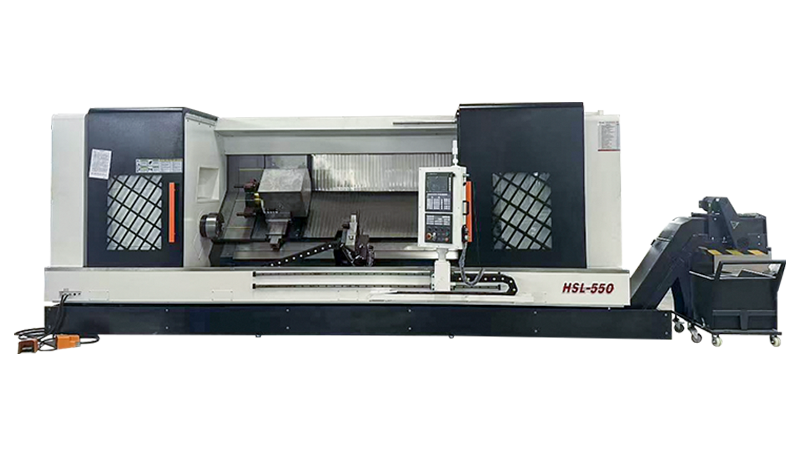
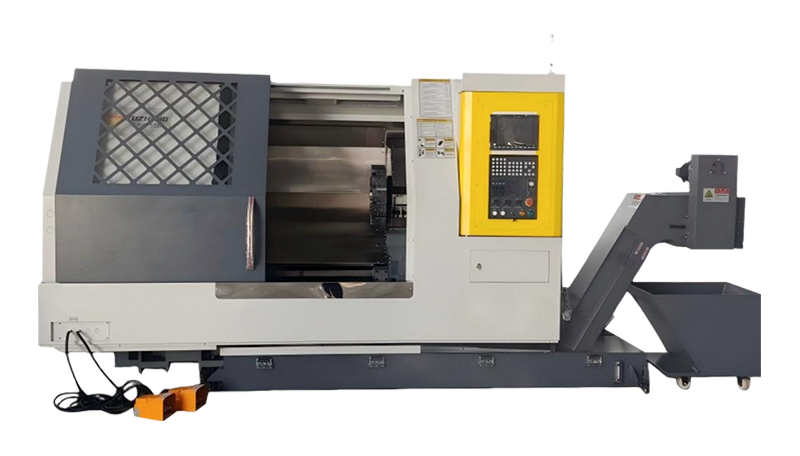
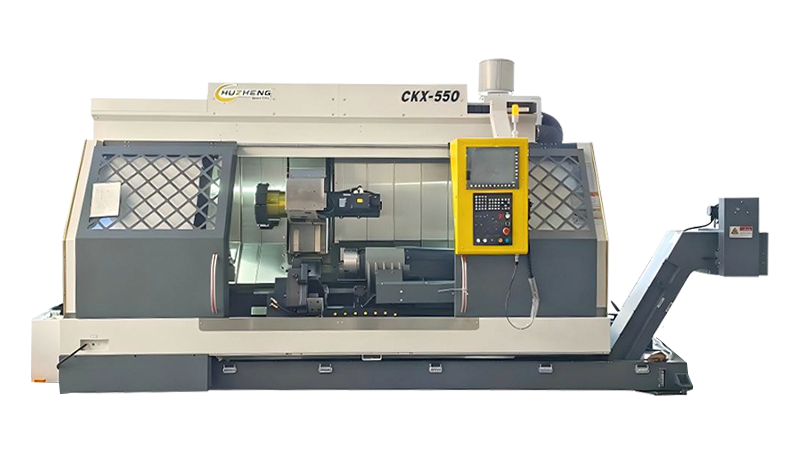
A cylinder bore turning and milling machine is a specialized piece of industrial equipment designed to perform precision machining on the internal bores of cylindrical workpieces, such as engine blocks, hydraulic cylinders, and large pipe fittings. This machine combines two distinct machining processes, turning and milling, into a single setup, allowing manufacturers to shape, bore, and finish cylindrical surfaces without needing to move the workpiece between separate machines. The turning function rotates the workpiece against a cutting tool to achieve precise diameters, while the milling function allows for additional surface work, such as flat faces, slots, or keyways, on the same part.
Because internal bore dimensions often require extremely tight tolerances, especially in applications like engine cylinders and hydraulic components, a cylinder bore turning and milling machine plays a critical role in ensuring parts fit and function correctly. Combining both processes into one machine also reduces setup time, minimizes handling errors, and improves overall dimensional accuracy across large production runs.
A well-equipped cylinder bore turning and milling machine offers several combined machining functions that make it valuable for producing complex cylindrical parts.
Shops choosing equipment for cylinder bore work often need to decide between manual and CNC-controlled machines. The table below outlines the key differences between the two options.
| Feature | Manual Cylinder Bore Machine | CNC Cylinder Bore Machine |
| Precision and repeatability | Depends heavily on operator skill | Highly consistent across runs |
| Production volume suitability | Better for small batches or repairs | Ideal for medium to large production runs |
| Setup time | Longer, manual adjustments required | Shorter after initial programming |
| Initial investment | Lower | Higher |
| Operator skill requirement | High, experienced machinist needed | Moderate, programming knowledge needed |
Because of their ability to produce precise cylindrical components, these machines are essential across a range of heavy manufacturing and repair industries.
Engine rebuilding shops use cylinder bore turning and milling machines to restore worn engine blocks by reboring cylinders to precise tolerances before fitting new pistons and rings.
Manufacturers producing hydraulic and pneumatic cylinders depend on this equipment to achieve the smooth, precise bore finishes required for proper seal function and pressure containment.
Large-scale equipment producers rely on these machines to manufacture and repair oversized cylindrical components used in construction machinery, marine engines, and industrial equipment.
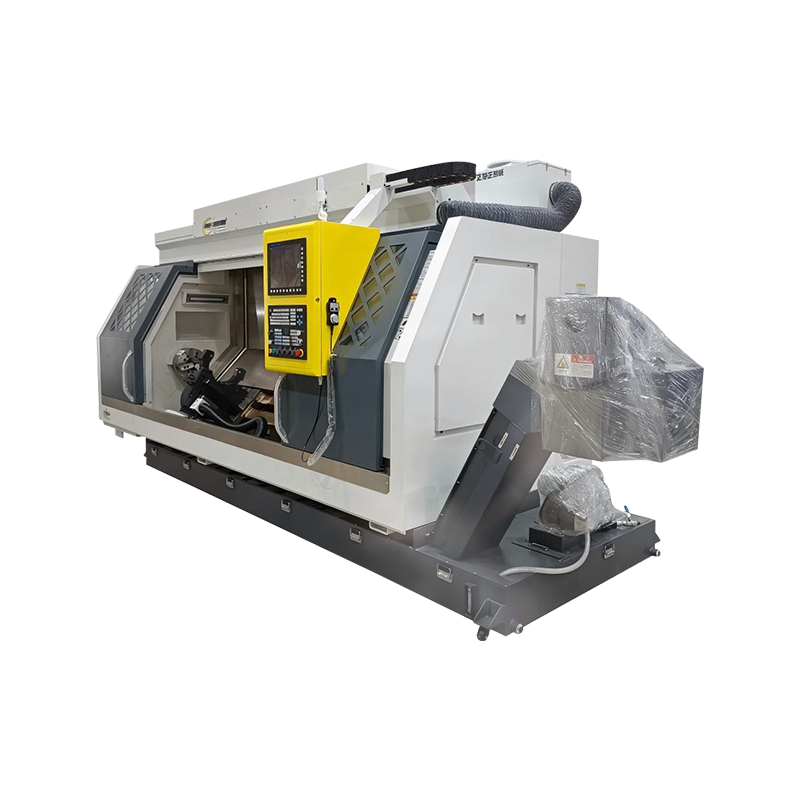
Choosing the right machine involves evaluating several technical and operational factors specific to your production needs.
Keeping a cylinder bore turning and milling machine properly maintained ensures consistent accuracy and extends the equipment's operational lifespan.
Spindle bearings should be checked periodically for wear or play, since even minor spindle deviation can significantly affect bore roundness and finish quality.
Consistent lubrication of moving parts and proper coolant maintenance help reduce tool wear, prevent overheating, and maintain smooth, chatter-free cutting performance.
Periodic alignment checks confirm that the machine's turning and milling axes remain accurately calibrated, which is essential for maintaining tight tolerances across production runs.
Getting consistent, high-quality results from a cylinder bore turning and milling machine depends on more than just the equipment itself. Selecting the correct cutting tool material and geometry for the workpiece material significantly affects surface finish and tool life, particularly when machining hardened or abrasive metals. Maintaining proper cutting speeds and feed rates prevents excessive heat buildup, which can cause dimensional inaccuracies or premature tool wear. It's also important to secure the workpiece firmly using appropriate fixturing, since any movement during the boring or milling process can lead to out-of-round bores or inconsistent surface finishes that fail to meet tolerance requirements.

Copyright © Xuancheng Huzheng Machinery Trading Co., Ltd. Rights Reserved.