 English
 中文简体
中文简体 русский
 日本語
日本語
Home / Newsroom / Industry News / Heavy-Duty Cutting CNC Machine Tool: A No-Nonsense Guide to Choosing and Maintaining One
Industry News
 Email: cnc88max@dingtalk.com
 Phone: +86-18021988367
Content
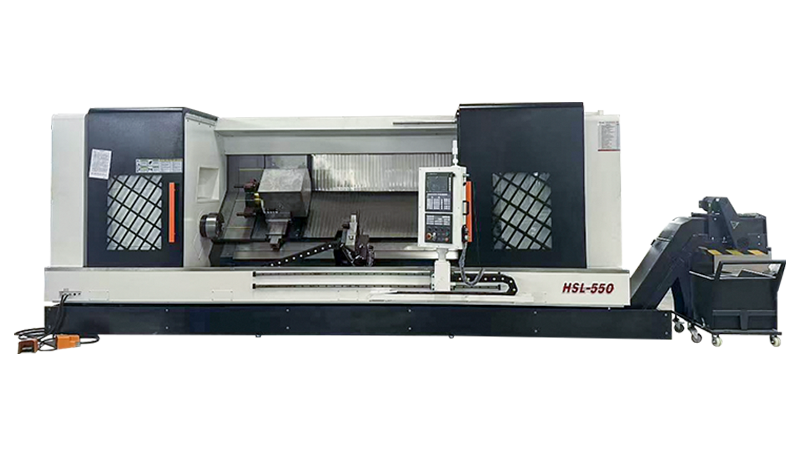
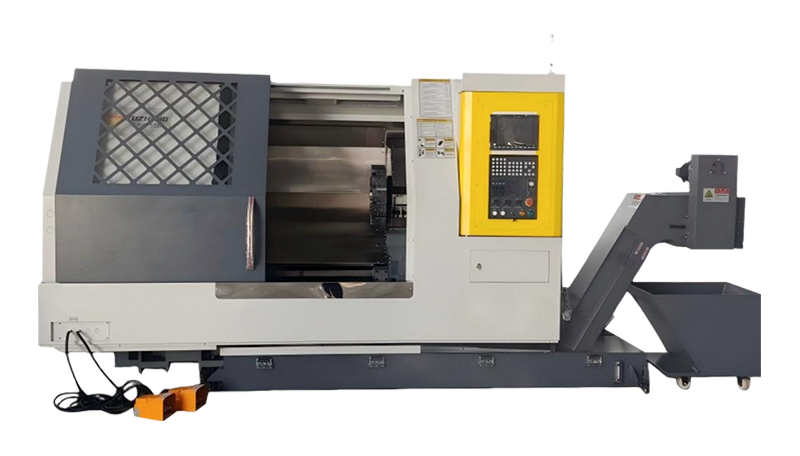
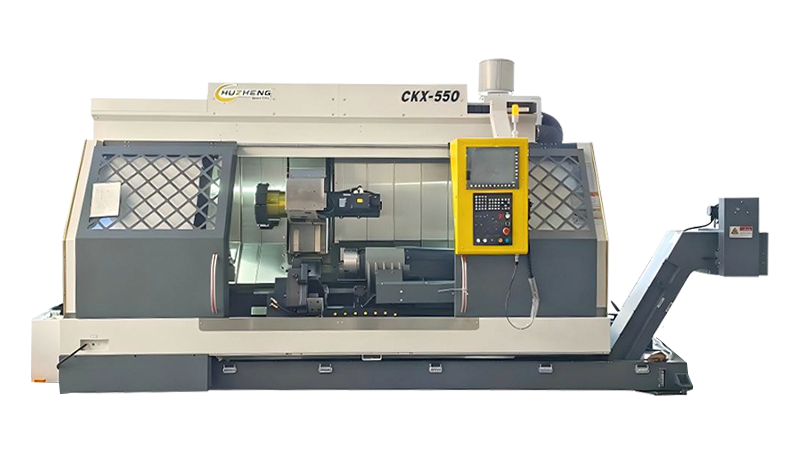
Not every CNC machine on the market can handle serious material removal, and calling something a heavy-duty cutting CNC machine tool actually means something specific. These machines are built with reinforced cast iron or steel frames, oversized spindle bearings, and high-torque motors designed to push through thick steel plate, dense alloys, and large workpieces without flexing, chattering, or losing precision. The difference between a standard CNC machine and a heavy-duty one usually comes down to rigidity — how well the machine resists deflection under heavy cutting loads over long production runs.
Manufacturers who invest in heavy-duty cutting CNC machine tools are typically working with materials like hardened steel, titanium, cast iron, or thick aluminum plate where standard machines would struggle with tool wear, vibration, or inconsistent tolerances. If your shop regularly deals with deep cuts, large removal volumes, or tough alloys, understanding what separates a genuinely heavy-duty machine from a marketing label is critical before you invest in new equipment.
Every heavy-duty CNC cutting machine relies on a handful of core components working together. Understanding each one helps you evaluate machines more effectively when comparing specs sheets.
When these components are properly matched to each other, the result is a machine that can sustain aggressive feed rates and depth of cut without sacrificing surface finish or dimensional accuracy.
Heavy-duty CNC machine tools show up across a wide range of industries where standard equipment simply can't keep up with the demands of the material or production volume.
Shipyards and structural fabricators rely on heavy-duty CNC plate cutting machines to process thick steel plate for hulls, beams, and support structures, where accuracy and repeatability at scale are non-negotiable.
Aerospace parts often require cutting through titanium and high-strength aluminum alloys, materials that generate significant heat and cutting resistance, making rigid heavy-duty machines essential for maintaining tight tolerances.
Manufacturers producing large machine components, gearboxes, and structural housings depend on heavy-duty CNC milling and boring machines to handle oversized workpieces without repeated setups.

Depending on your material and cutting method, different heavy-duty CNC machine types are suited for different jobs. The table below outlines the most common categories.
| Machine Type | Cutting Method | Typical Material |
| Heavy-Duty CNC Plasma Cutter | Plasma arc | Thick steel plate |
| Heavy-Duty CNC Laser Cutter | Fiber laser | Stainless steel, aluminum |
| Heavy-Duty CNC Milling Machine | Rotary tool removal | Cast iron, hardened steel, titanium |
| Heavy-Duty CNC Waterjet Cutter | High-pressure abrasive water | Thick metals, composites, stone |
Shopping for a heavy-duty cutting CNC machine tool means looking past the sticker price and digging into specs that actually determine long-term performance and reliability.
Requesting a live demo or test cut on your actual material before purchasing is one of the best ways to confirm a machine can genuinely deliver on its heavy-duty claims.
Heavy-duty CNC machines represent a significant capital investment, and proper maintenance directly affects how long that investment stays productive. Daily checks should include verifying coolant levels, inspecting for unusual vibration or noise, and clearing away metal chips and debris from guide rails and ball screws. Left unaddressed, chip buildup can work its way into linear guides and cause premature wear that gradually degrades cutting accuracy.
On a weekly or monthly basis, operators should check spindle bearing temperatures, inspect tool holders for wear, and verify that axis calibration remains within tolerance using test cuts or a dial indicator. Scheduling professional servicing at manufacturer-recommended intervals, rather than waiting for a breakdown, keeps heavy-duty cutting machines running at peak performance for years longer than reactive maintenance alone.
Because heavy-duty CNC cutting machines generate significant force, heat, and sometimes molten metal spray, proper safety protocols are non-negotiable. Operators should always use enclosed cutting zones with safety interlocks, appropriate eye and hearing protection, and fire-resistant clothing when working with plasma or laser cutting processes. Machine guarding should never be bypassed or disabled, even temporarily, since heavy cutting forces can eject debris at high speed.
Regular safety training should also cover emergency stop procedures, proper workpiece clamping to prevent shifting during aggressive cuts, and correct handling of coolant and cutting fluids, which can pose slip hazards or skin irritation risks if not managed properly.
Heavy-duty machines feature reinforced frames, higher torque spindles, and stronger structural components designed to handle thicker materials and more aggressive cutting parameters without losing accuracy or rigidity.
If you regularly cut thick plate, hardened alloys, or run long production shifts with minimal downtime tolerance, a heavy-duty CNC machine tool is generally worth the added investment over a lighter-duty model.
They typically cost more upfront and per service visit due to their larger components, but their reinforced build often results in fewer breakdowns and a longer overall service life compared to lighter machines pushed beyond their limits.

Copyright © Xuancheng Huzheng Machinery Trading Co., Ltd. Rights Reserved.