 English
 中文简体
中文简体 русский
 日本語
日本語
Home / Newsroom / Industry News / Shaft Turning and Milling Machine: What It Is and How to Pick the Right One for Your Shop
Industry News
 Email: cnc88max@dingtalk.com
 Phone: +86-18021988367
Content
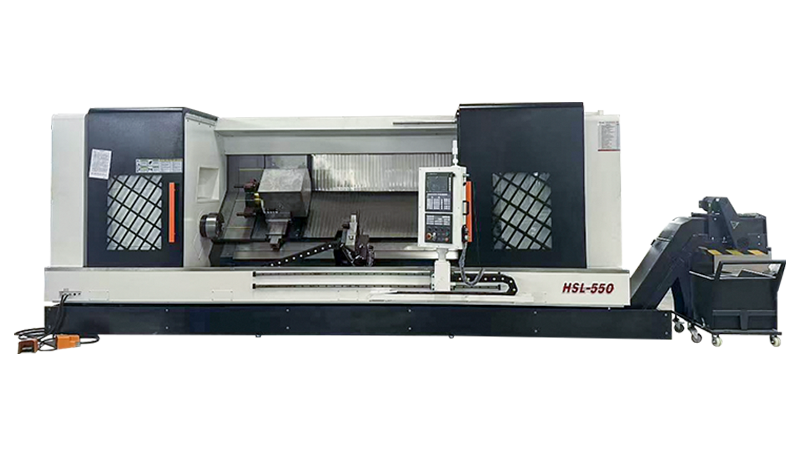
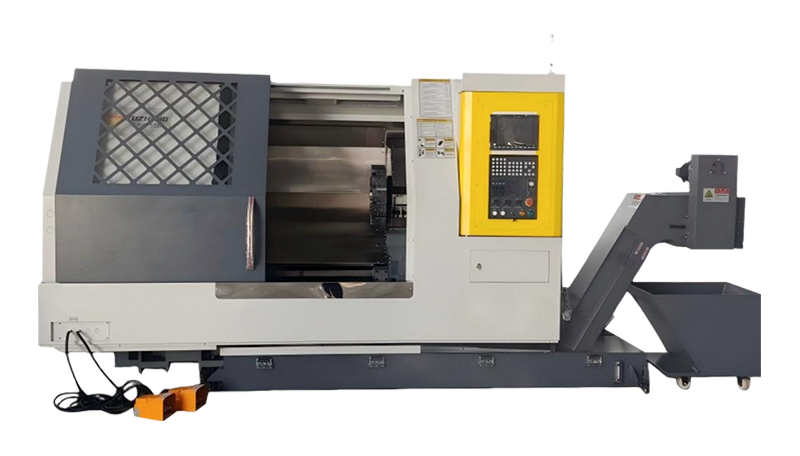
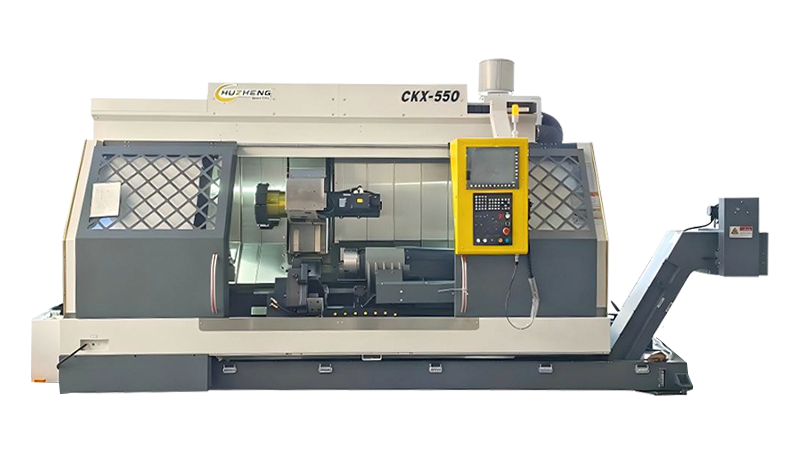
A shaft turning and milling machine is a combination machine tool designed to perform both turning operations and milling operations on cylindrical workpieces, most commonly shafts, without needing to move the part between separate machines. Turning removes material by rotating the workpiece against a stationary cutting tool, producing round, symmetrical features like diameters, tapers, and threads. Milling, on the other hand, uses a rotating cutting tool to remove material from a stationary or indexed workpiece, allowing for flats, keyways, holes, and other non-symmetrical features to be added to the same shaft.
Combining these two processes into a single machine matters a lot for shaft production because many shafts need both round features and secondary details like keyways or flats to function properly in their final application. Traditionally, this meant machining a shaft on a lathe first, then transferring it to a milling machine for the secondary work, which introduced setup time, handling risk, and potential alignment errors. A combined turning and milling machine eliminates most of that by keeping the part fixtured in one place throughout the entire machining sequence.
Shops that switch from separate turning and milling operations to a combined shaft machining setup typically notice improvements in several areas at once, particularly when producing shafts in moderate to high volumes.
The spindle needs enough power and an appropriate speed range to handle both heavy roughing cuts during turning and the finer, often faster movements required for milling operations. Shops working with harder materials like alloy steel or stainless steel should pay particular attention to spindle torque ratings to avoid bogging down during demanding cuts.
Live tooling allows the machine to drive rotating cutting tools, such as end mills or drills, directly at the turret or tool station while the main spindle holds the workpiece. This capability is what actually enables milling operations to happen on what would otherwise be a standard turning center, so confirming live tooling specifications is essential when evaluating a combined machine.
Since these machines coordinate both turning and milling toolpaths, the control system needs to support multi-axis programming that can switch smoothly between the two operation types. A more intuitive control interface also reduces programming time and lowers the learning curve for operators transitioning from single-purpose machines.
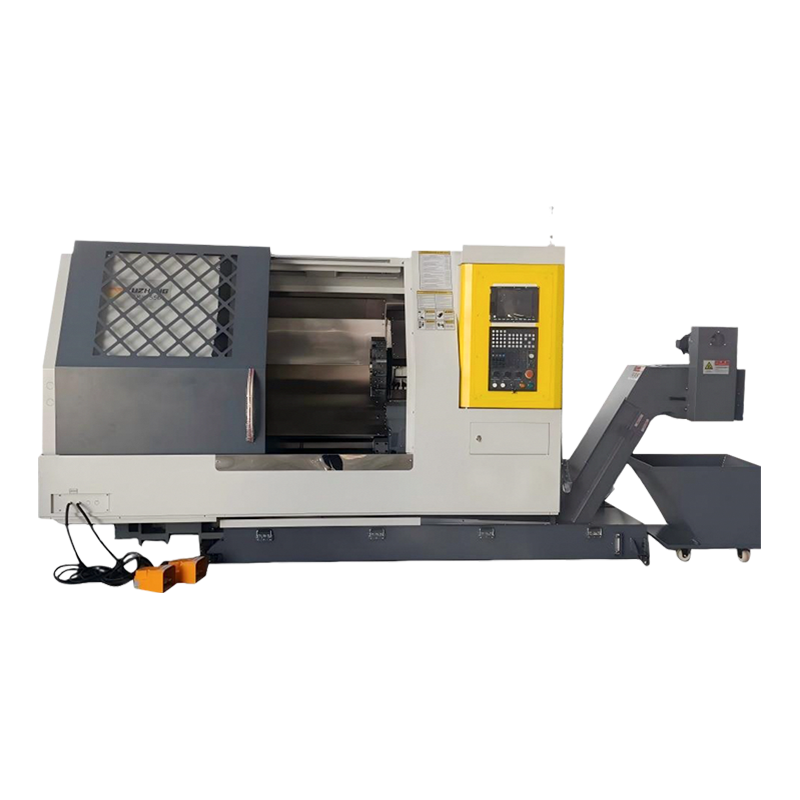
Not every shop needs the same level of capability, and matching machine configuration to actual production requirements avoids paying for features that won't get used. The table below outlines common configurations and where each one fits best.
| Configuration | Best Suited For | Key Limitation |
| Basic Turning Center with Live Tooling | Simple shafts needing occasional flats or holes | Limited milling axis movement |
| Multi-Axis Turn-Mill Center | Complex shafts with multiple secondary features | Higher upfront investment |
| Twin-Spindle Turn-Mill Machine | High-volume production with both ends of the shaft needing work | Requires more skilled setup and programming |
Understanding the range of features a combined turning and milling machine can produce helps clarify why so many shops rely on them for shaft production. A single shaft might require several of these operations completed in sequence without ever leaving its original fixture.
Because these machines combine two demanding processes into one platform, keeping them properly maintained matters more than it would for a single-purpose machine. Regular spindle inspection is one of the most important routines, since both turning and milling operations put significant stress on spindle bearings, and any developing play or vibration can affect accuracy across both processes.
Way surfaces and linear guides should be checked and lubricated according to the manufacturer's schedule, since dry or contaminated ways lead to positioning errors that show up as inconsistent dimensions on finished shafts. Coolant system maintenance also deserves attention, since combined machines often run coolant through both turning and live tooling milling operations, and clogged nozzles or degraded coolant can affect tool life and surface finish on both sides of the process.
Finally, periodic calibration checks using test bars or precision gauges help confirm that the machine's turning and milling axes remain properly aligned relative to each other. Since the entire value proposition of a combined machine depends on maintaining that alignment, skipping calibration checks is one of the fastest ways to lose the precision advantage these machines are meant to provide.
A shaft turning and milling machine offers a practical way to boost accuracy, reduce cycle times, and simplify production for shops that regularly manufacture shafts with both round and secondary features. Choosing the right configuration for your production volume, paying close attention to spindle and live tooling specifications, and sticking to a solid maintenance routine all play a role in getting long-term value from this kind of equipment. For shops producing shafts in any meaningful volume, the investment in a combined machine often pays for itself through faster turnaround and more consistent part quality.

Copyright © Xuancheng Huzheng Machinery Trading Co., Ltd. Rights Reserved.