 English
 中文简体
中文简体 русский
 日本語
日本語
Home / Newsroom / Industry News / What Is a Hydraulic Turning and Milling Machine? A Practical Guide Before You Buy
Industry News
 Email: cnc88max@dingtalk.com
 Phone: +86-18021988367
Content
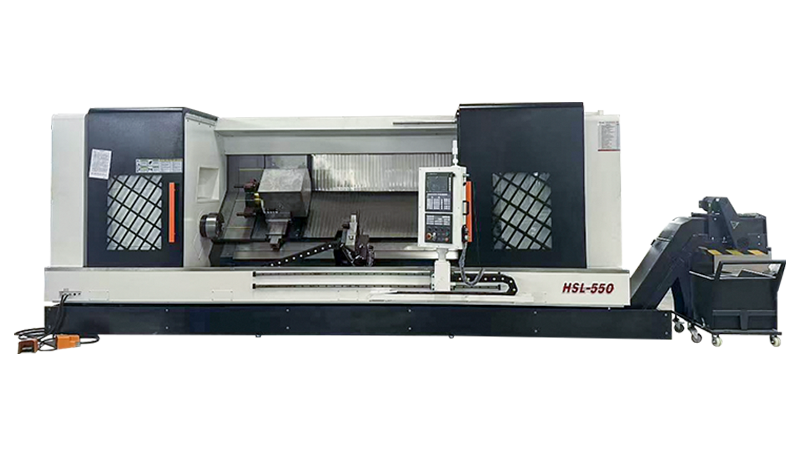
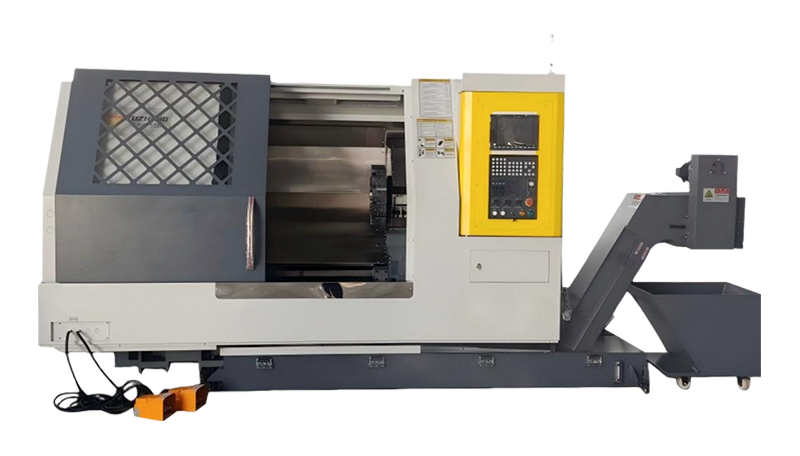
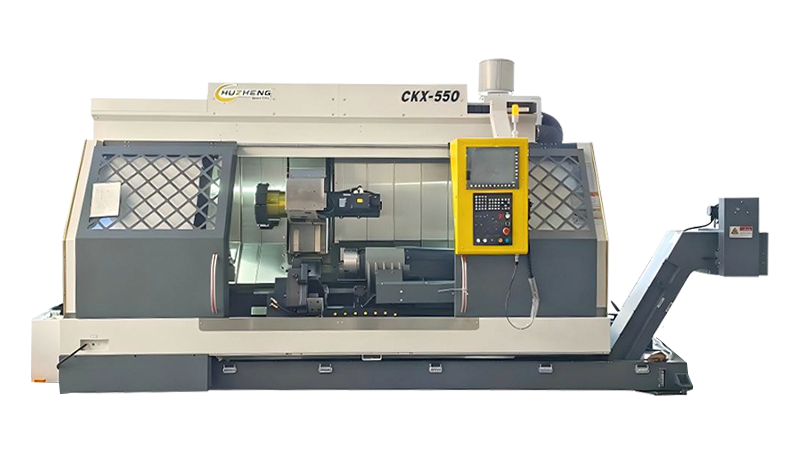
A hydraulic turning and milling machine is a combination machine tool that uses hydraulic power systems to drive turning operations (like a lathe) and milling operations (like a mill) on a single platform. Instead of relying purely on mechanical gears or electric servo motors for every motion, this type of machine uses hydraulic cylinders and hydraulic motors to control clamping force, feed pressure, tool movement, and spindle braking. This gives the machine smoother force control, higher clamping stability, and better performance when cutting tough materials like hardened steel, titanium, or thick-walled pipe fittings.
In simple terms, a hydraulic turning and milling machine lets you turn a round part and mill flats, slots, or holes on it without moving the workpiece to a second machine. This saves setup time, reduces positioning error, and is a major reason why these machines are popular in mold shops, auto parts plants, and heavy equipment manufacturing.
Every hydraulic turning and milling machine depends on a few key hydraulic parts working together. Understanding them helps you troubleshoot problems and evaluate machine quality before purchase.
The HPU is the heart of the system. It contains the oil reservoir, pump, motor, and valves that generate and control hydraulic pressure. A well-built HPU keeps pressure stable even under heavy cutting loads, which directly affects surface finish and dimensional accuracy.
This is what grips the workpiece during turning. Hydraulic clamping applies consistent force across the jaws, which reduces part deformation compared to manual chucks, especially on thin-walled or irregularly shaped parts.
These control axial movement and support long shafts during turning, while feed cylinders manage how fast and how hard the cutting tool advances into the material.
Not every shop needs a hydraulic system, but for certain jobs it makes a real difference. Here's a quick comparison to help you decide which type fits your production needs.
| Factor | Hydraulic Turning and Milling Machine | Full Electric Turn-Mill Machine |
| Clamping Force Stability | Very stable under heavy load | Good, but can drift under extreme load |
| Heavy-Duty Cutting | Excellent for hard/thick materials | Moderate |
| Maintenance Complexity | Higher (oil, seals, filters) | Lower |
| Initial Cost | Moderate to high | High |
| Best Use Case | Large batch, heavy metal parts | Precision small parts, fast changeover |
Hydraulic turning and milling machines show up across a wide range of industries because they handle both round and irregular geometries in one setup. Some of the most common uses include:
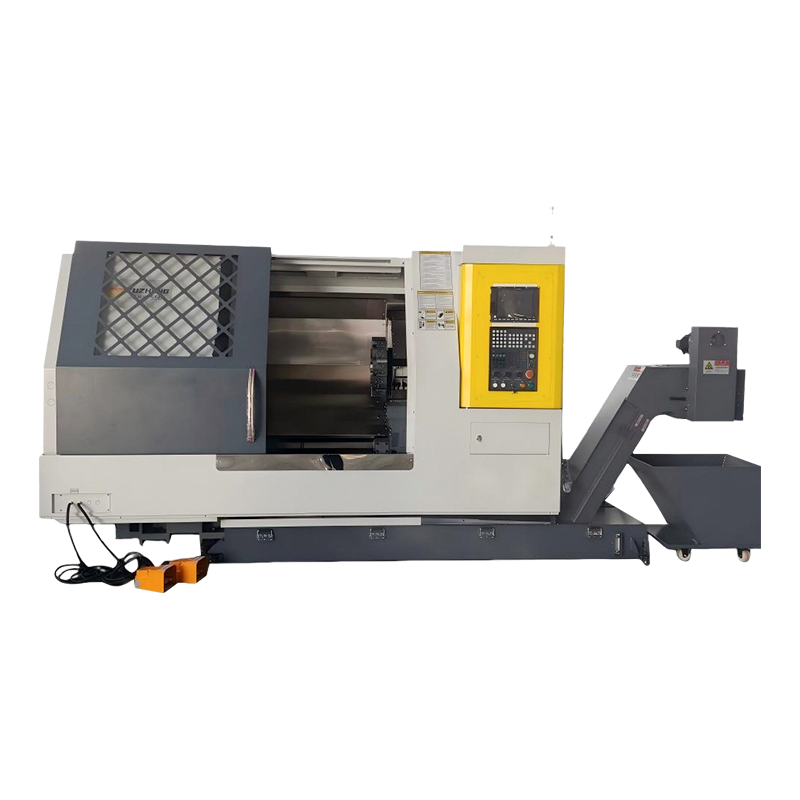
Buying a hydraulic turning and milling machine is a big investment, and picking the wrong spec can hurt your production for years. Here's what actually matters during evaluation.
Check the spindle motor's continuous power rating, not just the peak rating. Continuous power tells you what the machine can actually sustain during long production runs without overheating.
Most industrial machines run between 2.5 MPa and 7 MPa depending on chuck size and clamping needs. Confirm the pressure range matches the weight and material of the parts you plan to machine.
Make sure the X, Y, and Z axis travel covers your largest workpiece, and check how many milling tools the turret or tool magazine can hold, since this affects how many operations you can complete without manual tool changes.
Hydraulic seals, filters, and pumps wear out over time. Confirm the manufacturer or dealer can supply replacement parts quickly, since hydraulic downtime is often more costly than electrical downtime.
Proper maintenance is what separates a hydraulic turning and milling machine that lasts 15 years from one that breaks down constantly after 3. Follow these habits to protect your investment.
A hydraulic turning and milling machine is not the right fit for every shop, but for manufacturers dealing with heavy, large-diameter, or hard-to-clamp parts, it offers stability and cutting performance that's hard to match with purely electric systems. Before buying, match the machine's spindle power, hydraulic pressure range, and tool capacity to your actual parts, and don't underestimate the importance of a reliable after-sales support network for spare hydraulic components. A well-maintained hydraulic turning and milling machine can deliver consistent, precise results for well over a decade of heavy production use.

Copyright © Xuancheng Huzheng Machinery Trading Co., Ltd. Rights Reserved.